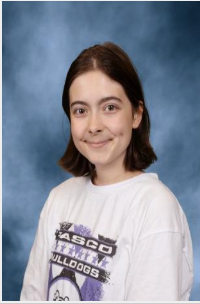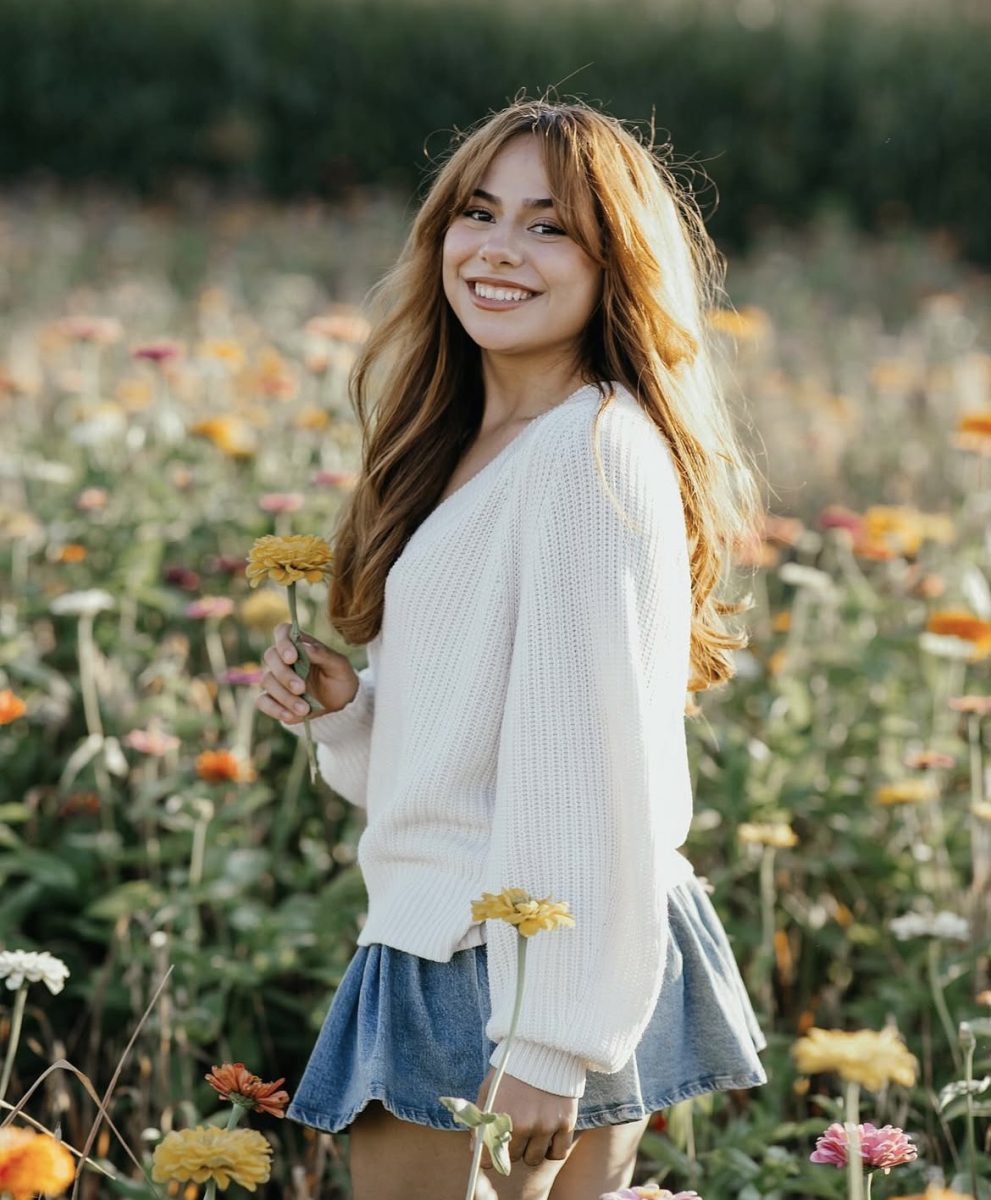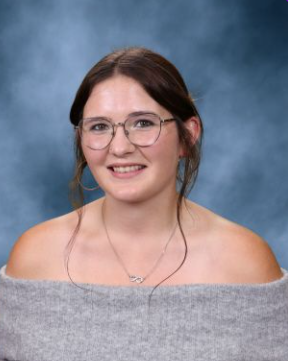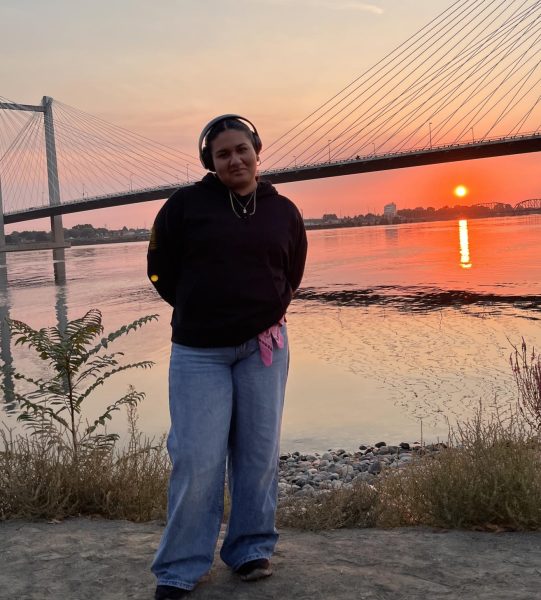
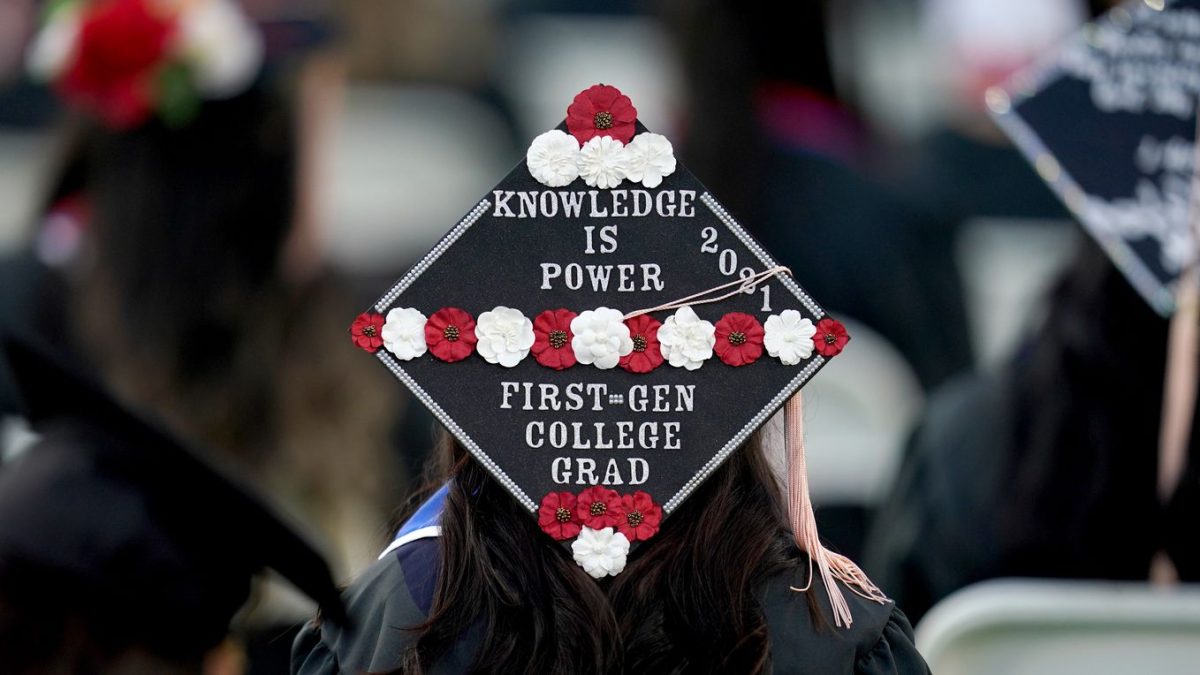
Audrie Peralta and Maria Guzman are first-generation college students who are also working part-time here at Pasco High. They work with GEAR UP, providing after-school tutoring and much more. I asked them a series of questions about what it’s like to be a first-gen college student and about ways to navigate an entirely different academic environment that we’ve become accustomed to over the past 4 years.
As first-generation students navigating the transition to higher education, Audrie and Maria emphasize the importance of intentional habit- building to ensure their success. Audrie highlights the dual pillars of consistency and communication, noting that she had to learn how to actively seek guidance from staff to “navigate these steps” of the application process. She found value in “being consistent with my work, consistent with being on time for things to stay on track.”
Meanwhile, Maria focused on mastering time management and the physical environment, as college requires significant independent dedication outside of short lecture hours. To maintain focus, she developed the habit of “setting a space where you can do the work that you need to do,” often arriving an hour early or staying an hour late after classes to ensure her tasks were complete before heading home.
When identifying mentors and counselors before college, Audrie and Maria relied on productive networking and seeking personal wisdom to navigate the application process. Audrie utilized programs like MESA and reached out to teachers to gain a deeper understanding of the college experience: “Because more than just information, you need wisdom from experience.” She emphasized that having a direct point of contact helped her figure out “what direction I wanted to go” and ensured she was on track for success.
Maria’s journey towards finding a mentor was more spontaneous, beginning when she accomplished. Accompanied a friend to see a counselor, although she initially “didn’t really have a plan,” that first meeting opened the door to the whole college process and eventually led her to an advisor through the CAMP program. She highlighted the value of these early connections, noting that it is vital to “start establishing that relationship early on” to handle any questions that arise during her transition.
For Audrie and Maria, navigating A challenging academic environment required a shift from the “hovering” support of high school to a more productive, courageous style of communication. Audrie admits that the pressure of being a STEM student was intimidating, noting that in college, “it’s not easy to make friends” or reach out to professors. She found that she had to be “brave” and manually reach out to peers to exchange notes and conquer the material together, even when she felt like she was “crying and breaking down”. Her core philosophy became: “You have to get it, but not let it get you”.
Maria similarly relied on the power of community to manage academic stress, specifically through the CAMP program. By connecting with student mentors and peers in the same field, she created a support system where they could “talk about our goals and help each other with assignments. She found that even intimidating tasks like visiting professors became easier when done as a group. Ultimately, Maria learned that while asking for help can be scary,” it definitely becomes easier with practice.”
When it comes to providing advice for fellow first-generation students, Audrie and Maria both stress the importance of looking beyond academics to embrace community and campus resources. Audrie encourages students to prioritize their well-being and mental health, warning against the trap of believing that “all of your self-worth is in pure academics”. She advocates for finding personal balance, reminding others that college “is not a race, it’s a marathon” and to focus on finding “your own balance, not somebody else’s balance.”
Maria’s advice focuses on the power of being inquisitive in utilizing the vast, often underutilized resources available on campuses; she urges students. To ask questions and seek trusted mentors who can provide direction. Furthermore, she highlights practical lifesavers like counseling services, food pantries, and even art galleries that are both ways to survive and find community, noting that “attending free events is a great way to find people that might have the same interests as you.”