
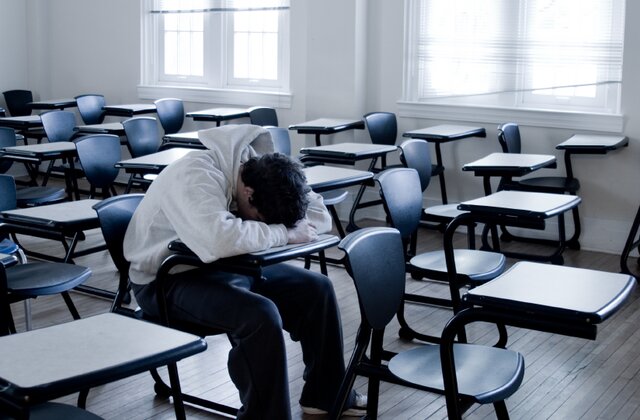
For many high schoolers, the school day doesn’t start with the morning bell, it starts with exhaustion. Between homework, stress, and the pressure to keep up, students say getting enough sleep has become more of a hope than a habit. What should be a time to rest often turns into hours of lying awake, thinking, worrying, or trying to finish assignments.
For many students, nighttime isn’t the break it’s supposed to be. Stress from school, responsibilities, and daily pressure often follows them long after the day ends. Maria says that falling asleep can be one of the hardest parts of her routine.
“What keeps me up the latest I think is just stress, or just being unable to sleep,” she explains. Instead of resting, she finds herself lying awake, thinking through everything she still has to do.
Even when students try to sleep, the weight of unfinished assignments can make it difficult to relax. Maria says that the pressure to complete everything affects how she feels the next morning.
“Sometimes I do not feel well rested because I didn’t finish work,” she says. The combination of late nights and early alarms leaves many students starting their day already tired.
Lack of sleep doesn’t just affect how students feel—it affects how they function. Mariana says exhaustion makes it difficult to stay productive and engaged during the school day.
“The hardest thing for me when I’m tired would be staying motivated and focusing on tasks,” she shares. When students are running on little rest, even simple assignments can feel overwhelming.
The experiences students share make one thing clear: sleep isn’t a luxury, it’s a necessity that many aren’t getting. As long nights and early mornings continue to collide, the conversation around student well‑being becomes more important than ever. Finding ways to support healthier sleep habits could be a key step toward helping students feel more focused, motivated, and ready for the day ahead.