
Every student can name at least one teacher who made school feel a little easier. Whether it was through encouragement, humor, patience, or simply listening, great teachers often leave a lasting impact far beyond grades and assignments. While every student learns differently, many agree that the best teachers are the ones who create a classroom where students feel respected, motivated, and understood.
Teachers play a major role in shaping students’ experiences at school each day. While teaching academic material is important, many students believe the way a teacher treats and connects with their class matters just as much.
Students repeatedly emphasized that a good teacher is patient, understanding, and willing to help students succeed instead of simply assigning work. Many students said they appreciate when teachers take time to sit down with them individually and explain confusing subjects step-by-step.
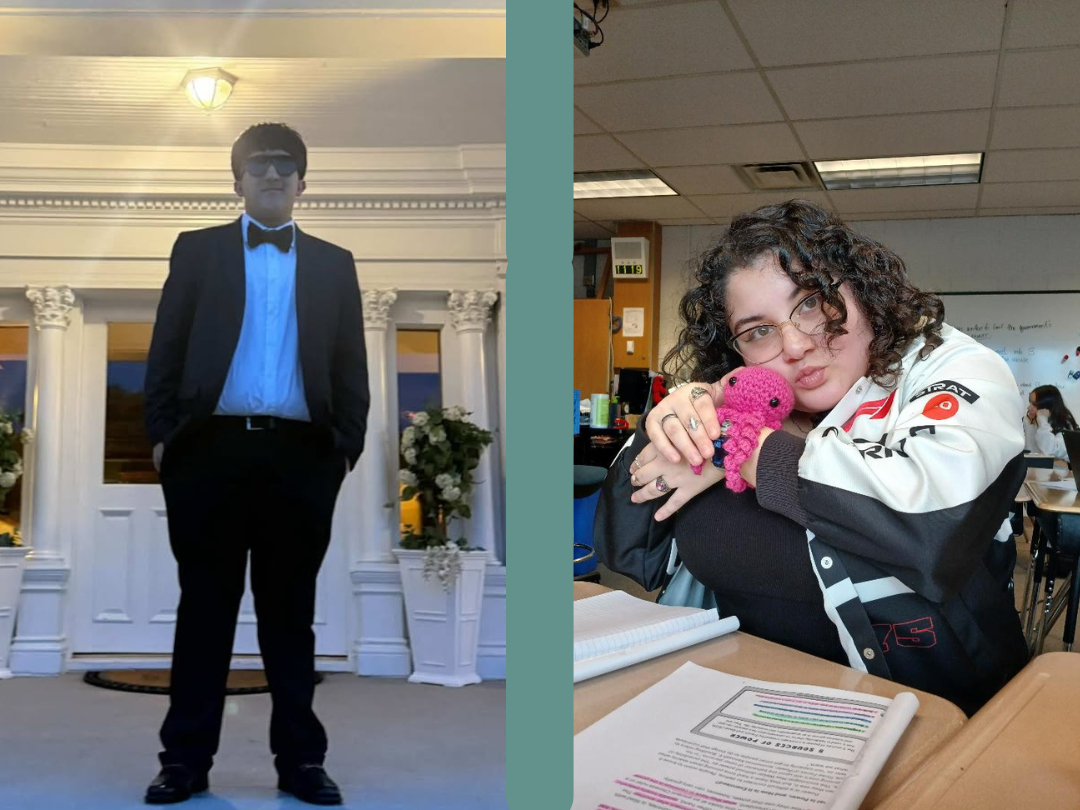
“An average teacher just teaches the subject fast and then gives you a packet, even if you don’t understand it, and then when you ask for help they just repeat the question or tell you to solve it out,” said sophomore Amishadai Perez. “A good teacher does the subject and teaches it but they also help students when they are asked.”
Teacher attitude also played a major role in how students feel in class. Several students said that teachers who are happy, funny, compassionate, and soft-spoken create a more comfortable and enjoyable learning environment.
“A teacher’s attitude when they are happy makes the class go by faster,” said student Arianna Mendoza. This helps students feel more relaxed and engaged. When students feel comfortable it make it easier for them to share how they need help.
On the other hand, rude behavior or yelling from teachers can make students lose motivation and feel afraid to participate.
“When they are rude, it makes me not want to do anything,” said sophomore Addyson Bradley. These types of teacher make it hard for students to reach out.
The classroom environment itself was another important factor students discussed. Many students described the ideal classroom as calm, colorful, peaceful, and fun. Things like dimmer lighting instead of the deafening bright white lights can make focusing easier and overall comfort in the classroom better. Overall, students agreed that classrooms with supportive teachers and positive environments help them stay engaged, motivated, and successful in school.
Teachers themselves also recognize the importance of understanding and flexibility in the classroom.
“A good teacher is flexible. They understand that some day are going to be hard, and some students aren’t going to work some days, but they should still try to meet them where they are that day,” said Journalism teacher Mr. Ehrsam.
His perspective highlights the idea that effective teaching goes beyond simply delivering lessons. Instead, good teachers recognize that students face challenges both inside and outside of school and adjust their approach to support students when they are struggling. This flexibility can help students when they are struggling. It helps students feel understood, supported, and more motivated to succeed.
Students also compared the difference between an average teacher and a truly good teacher. According to several responses, average teachers often rush their work and lessons and expect student to “just get it” or understand immediately. In contrast, a good teacher slows down, explain clearly and in depth, and continue to help students until they fully understand.
Overall the responses from both students and teachers show that being a good teacher is about much more than simply teaching lessons. Students value teachers who care and want them to succeed. A supportive classroom environment and a strong teacher-student relationship can make students feel more comfortable, motivated, and engaged in learning. Small actions can have a lasting impact on students and their success in school and life after.