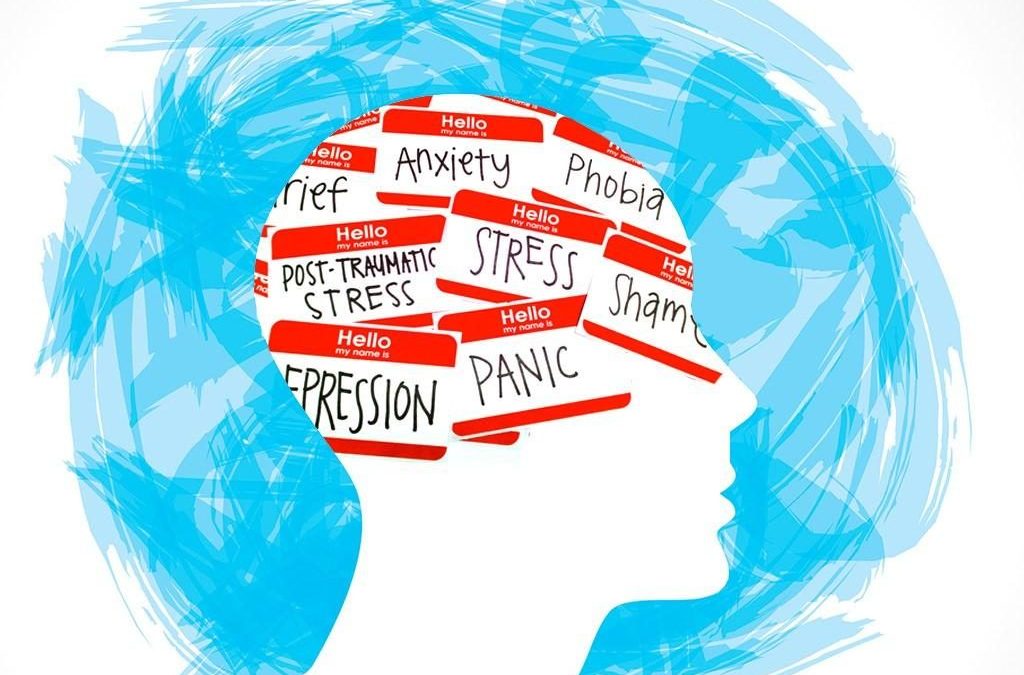
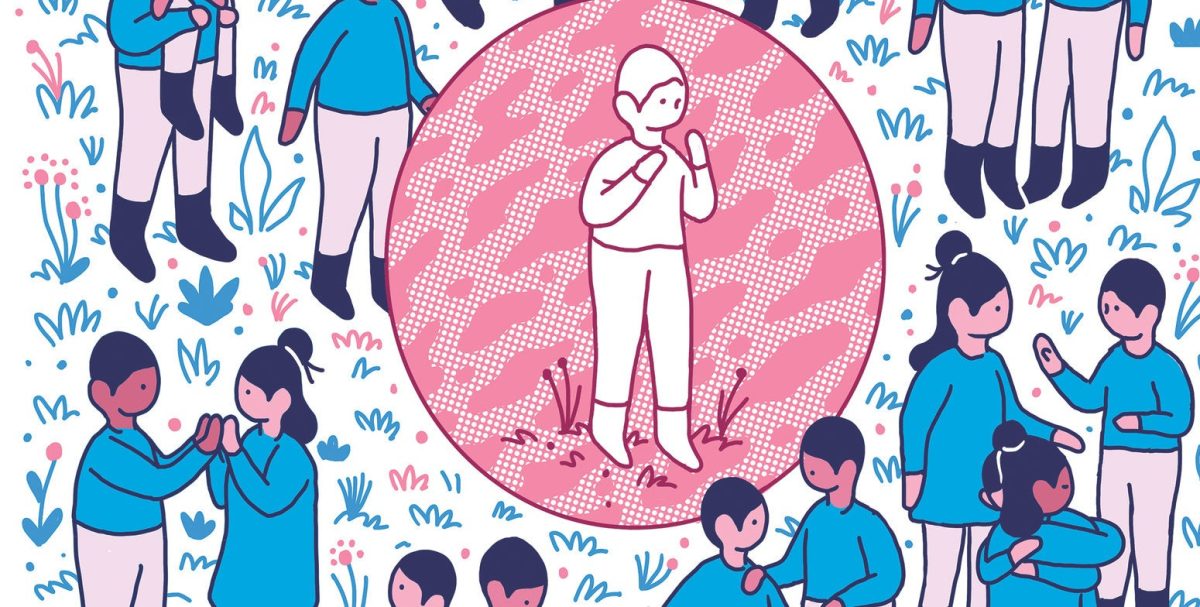
Lack of social skills is something everyone struggles with; it’s a feeling of awkwardness, trouble, and can make it hard for someone to fit in. It refers to difficulties in interacting and communicating with others, leading to problems with conversations, building relationships, and understanding social cues. Feeling a deep sense of disconnection and isolation, making everyday interactions a source of stress and anxiety. This can manifest as struggles with making or keeping friends, a misunderstanding of social rules, and an inability to read nonverbal communication like body language or facial expressions. A lack of social skills is visible in many areas of life, including the workplace, academic settings, and personal relationships. It can affect how people communicate, collaborate, and form connections, and may lead to navigating consequences like social isolation, misunderstandings, and poor performance.
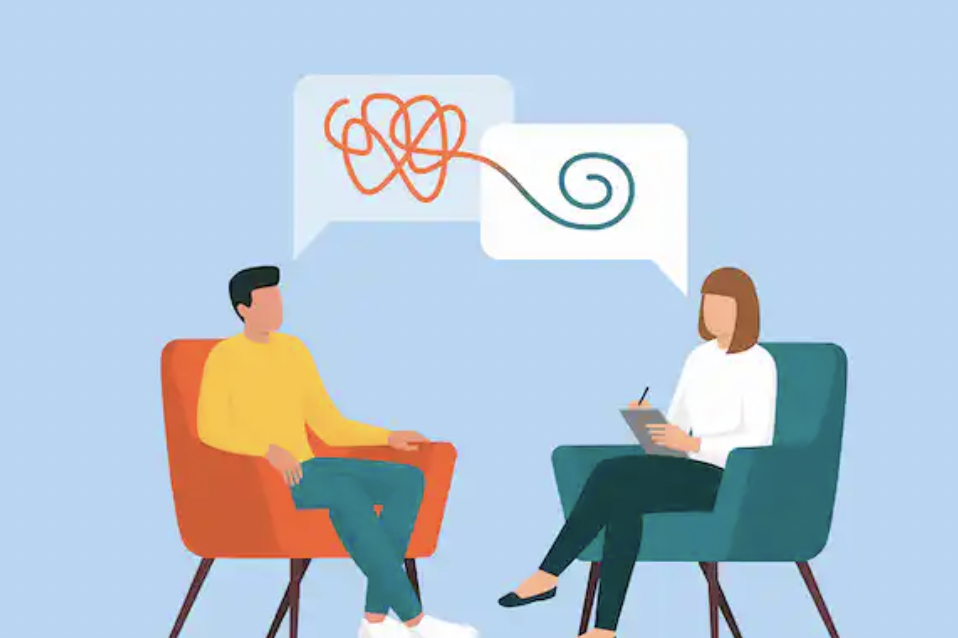
You can talk to a trusted friend, family member, or professional like a therapist or social skills coach, or you can look up to supportive people or helpful resources. Joining support groups, taking classes, or finding a friendly mentor can also provide opportunities to practice social skills in a safe environment. Look for people who are genuinely friendly and welcoming. A “golden ticket” person is overly friendly and willing to include you in their social circles, even if you’re introverted. A teacher, or someone in a position of authority, can offer guidance and also support as you navigate social situations. Social skills help us connect with other people and have successful interactions. Having trouble with these skills can cause problems in many areas of life. That includes school, work, home, and being out of the community.
I asked a student who wishes to be anonymous about how she improved her social skills. She responded by saying, “A way I improve social skills was honestly just being out there and exiting my zone. Joining sports helped me get the opportunity to meet new friends and expand my social skills from there.” I also asked her if she had any kind of advice for those who lack social skills. She replied by telling me, “Start small, like smiling and saying hi to people you see regularly, also listening is key. People love to talk about themselves, so ask questions and really listen to their answers. If sports aren’t your thing, joining clubs or groups that match your interests is easier to connect when you have something in common. And remember it’s okay to feel awkward sometimes, everyone does.”
Most people notice their lack of social skills, maybe due to growing up in an isolated environment or having limited exposure to diverse social settings, which can hinder the development of social skills. Negative experiences like being bullied or being socially excluded, or getting disciplined for socializing, can lead to social avoidance and a lack of trust. Life transitions, causing sudden changes like a divorce or separation, can sometimes disrupt social skills. A big one, which I believe the most, was the pandemic effects. The pandemic negatively affected social skills by limiting in-person interactions, leading to social isolation, anxiety, and depression, especially in adolescents. This was due to lockdowns, quarantines, and a shift to virtual activities, which disrupted the development of social skills in children. The pandemic led to a reduction in in-person social interaction, especially among young people, intensifying existing mental health struggles and diminishing social skills. Less in-person socialization, more social isolation, and less social support can be harmful to mental and physical health.