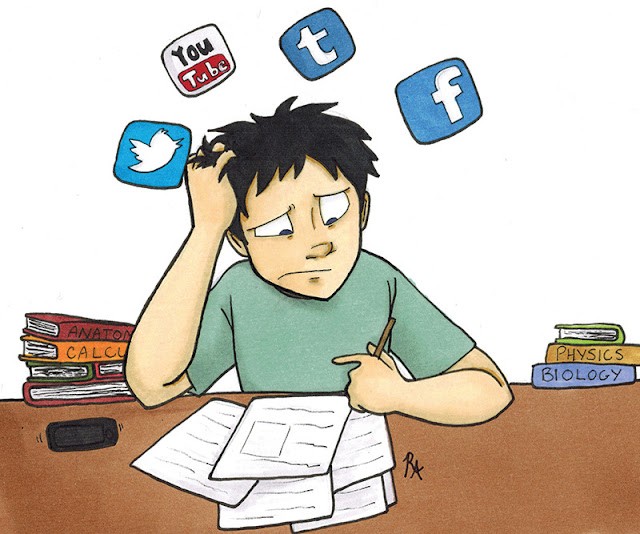
Some people are significantly affected by what happens on social media, whether it is positive or negative. Often, individuals do not think before posting something online or before speaking about others, not realizing how much their words can impact someone’s life. When someone shares something negative or controversial about others, they may not be aware of the damage they are inflicting. It is essential for people to pause and consider their words before sharing them, ensuring they are appropriate.
From my observations, teachers often do their best to comprehend what students are going through and to check if they are okay. However, it can be challenging for teachers, especially if they are dealing with their own difficulties. As students, we should also be patient with our teachers, as they are human and may face personal struggles.
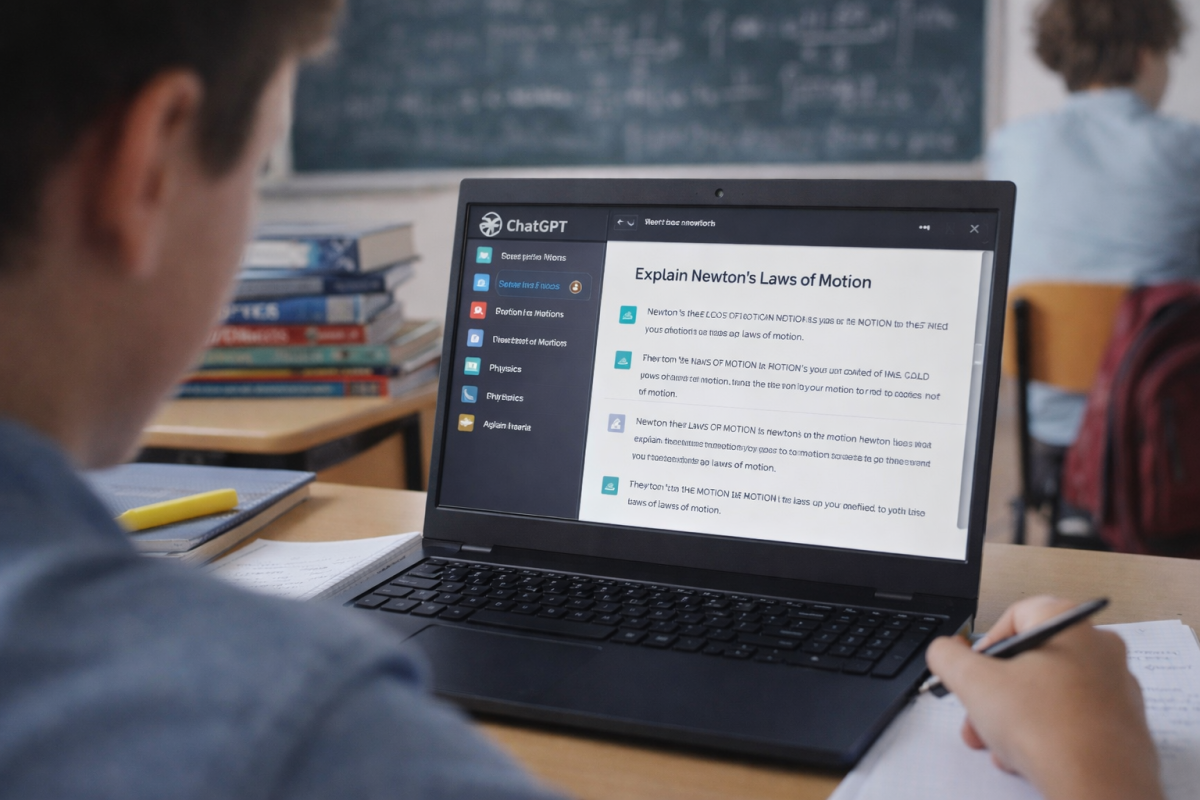
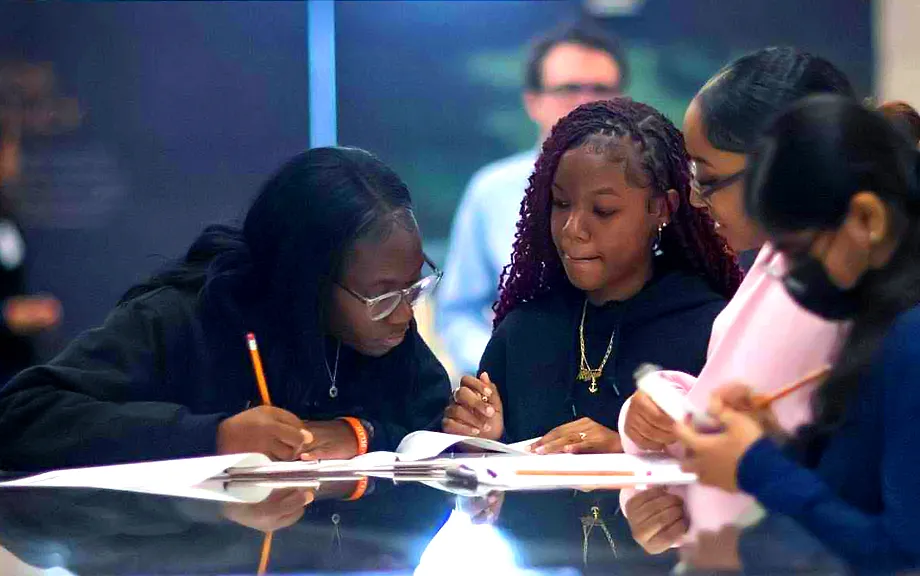
Social media can have both positive and negative effects. On the one hand, social media platforms offer opportunities for connection, information sharing, and learning about new places. Students can communicate with friends and classmates to arrange study sessions for tests or essays. Likewise, teachers can use social media to share assignments, communicate with parents about student progress, and gather ideas to enhance classroom safety and enjoyment.
Junior student Esmeralda Ramirez shares, “I’m usually able to tell when something is wrong with my siblings or friends because they tend to stop talking or become moody, especially after spending time on their phones. I believe that social media can negatively affect grades and behavior, as it often leads people to lose track of time, leaving them with insufficient time for homework or studying. When confronted with content they dislike, they can feel upset or angry, which diminishes their motivation to engage in other activities and may cause them to withdraw from social interaction. Personally, I have been bothered by experiences on social media, but luckily, this has not impacted my performance in school or my interactions with others, as I tend to ignore such incidents.”
Navigating social media requires careful consideration from both students and teachers. Developing strong learning skills, setting healthy boundaries, and effectively communicating about social media experiences are crucial. Students will realize that while being on their phones can be beneficial at times, it can also hinder their focus. Excessive phone use can diminish a student’s ability to concentrate on important tasks. Teachers should check in with students when they notice changes in behavior or mood. Instead of assuming a student is simply acting out, it is better to inquire about their well-being because they may be facing challenges at home, with friends, or at school.
Junior student Sheyla Garcia states, “Being on social media can have its downsides, but it can also be beneficial when you choose not to engage with negativity or what others say about you. I don’t believe that spending too much time on social media affects my performance at school because I sometimes turn to it for help. Staying up late on my phone typically doesn’t disturb my sleep schedule; when I do stay up late, it’s usually because I’m completing homework. I manage my time effectively, balancing phone usage with completing homework and other responsibilities.”
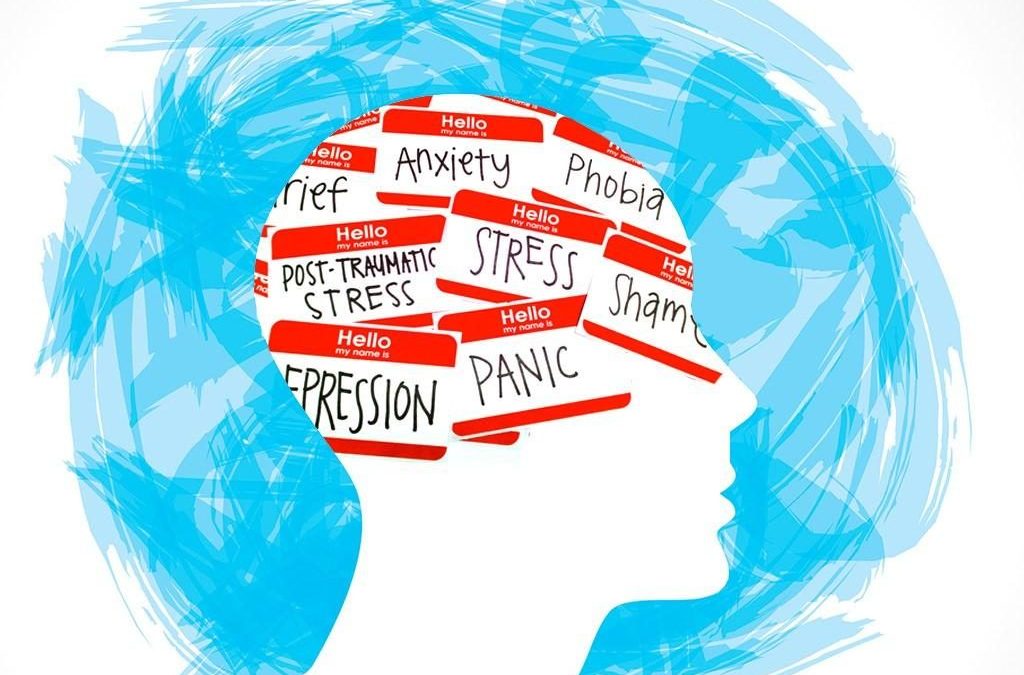
Social media’s influence on students encompasses both advantages and disadvantages. While it provides access to information, educational resources, and social connections, it can also impact mental health and attention spans. Students should approach social media with caution, balancing its benefits against the need for mindfulness regarding its potential drawbacks.